
Garage door repairs are usually the result of a mix of everyday wear and tear, weather exposure, missed maintenance, accidents, installation issues, or aging components. Each cause puts a different kind of strain on the door, and over time even small problems add up to a system that no longer runs the way it should. Understanding what causes the need for garage door repairs helps you stay ahead of issues, plan smarter service visits, and protect the long-term life of your door. For homeowners in Grand River and nearby areas, knowing the why behind common problems makes it easier to spot early warning signs and avoid surprise breakdowns.
This guide breaks down the main reasons garage doors break down so you know exactly what to watch for.
Why Garage Doors Need Repairs in the First Place
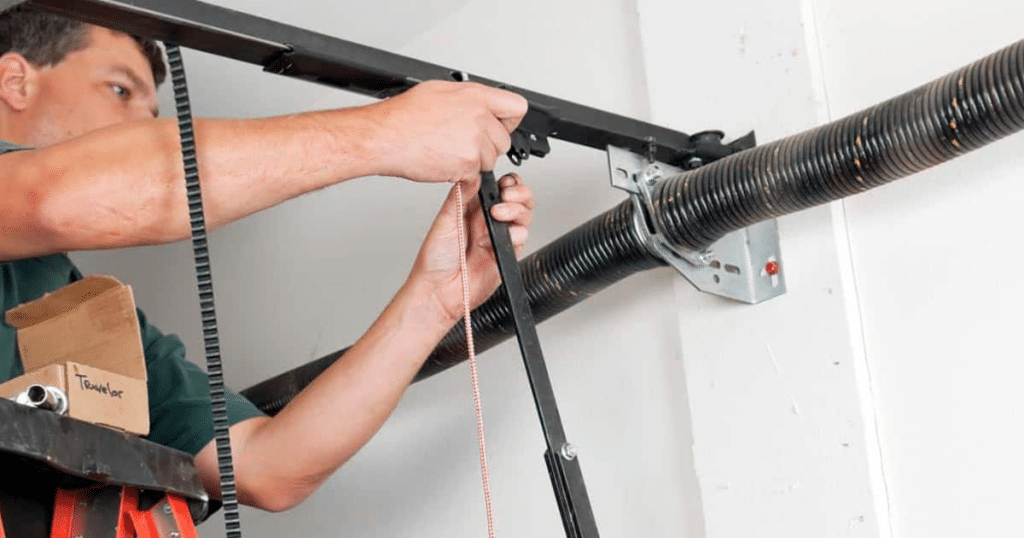
A garage door is one of the most complex systems in your home. It is a heavy moving structure made up of panels, springs, cables, tracks, rollers, hinges, brackets, sensors, and an opener, all working together every time you press a button. Each part has its own job, and each part is under steady stress during normal use.
Even the best-built doors are not immune to wear. Springs hold tremendous tension, cables stretch over time, rollers grind through dirt and dust, and openers run through thousands of cycles a year. When you start to see the reasons why garage doors break, the goal is not to prevent every repair forever. It is to understand the patterns so you can catch issues early.
Knowing what causes garage door repairs gives you a real advantage. You stop being surprised by problems and start spotting them while they are still small. That shift alone saves time, money, and frustration over the life of your door. It also helps you know when a quick fix is enough and when to call in a professional.
Everyday Wear and Tear From Regular Use
The most common reason behind garage door repairs is simple, ongoing use. The average household opens and closes the garage door three to five times a day, which adds up to more than a thousand cycles a year. Every cycle puts pressure on the springs, pulls on the cables, rolls the wheels along the tracks, and runs the opener through its full range of motion.
Torsion springs are usually rated for around 10,000 cycles, which works out to roughly seven years of average use. Rollers tend to last between 10 and 15 years depending on the material, while cables and hinges often need attention somewhere in between. Openers can last longer, but their internal gears and circuit boards wear down too.
Households with multiple drivers, busy schedules, or garages used as the main entry point tend to need repairs sooner. The more the door runs, the faster parts reach the end of their useful life. None of this means anything is wrong with your door. It just reflects the reality that no mechanical system runs forever without service.
Weather and Seasonal Temperature Changes
Weather plays a much bigger role in garage door repairs than most homeowners realize. Heat, cold, humidity, and rapid temperature swings all affect the materials your door is built from. Metal expands and contracts as temperatures change, which can throw off the alignment of tracks, loosen hardware, and stress springs that are already under tension.
Cold weather is especially tough on garage doors. Lubricants thicken in low temperatures, making rollers and hinges work harder. Metal becomes more brittle, which is one reason torsion springs often break on the coldest mornings of the year. Weather seals stiffen and crack, leaving gaps where cold air, water, and pests can get in.
Hot, humid summers bring their own challenges. Moisture leads to rust on metal parts and warping on wooden doors. Direct sun fades paint and damages finishes. Heavy storms can dent panels, bend tracks, and overload openers during power surges. Seasonal shifts often trigger sudden repair needs, which is why many homeowners schedule a tune-up before winter or after a stretch of harsh weather. Staying ahead of these changes helps your door run smoothly all year.
Lack of Routine Maintenance
A garage door without regular maintenance is a door waiting to break. Many of the common garage door issues that lead to repairs start with small problems that could have been caught early. A loose bolt, a dry roller, or a slightly off-balance door does not seem like much at first, but those small issues snowball into bigger ones quickly.
Basic maintenance is not complicated. It usually includes lubricating the moving parts a few times a year, tightening hardware, clearing the tracks of dirt and debris, testing the safety sensors, and checking the door’s balance. None of these tasks take long, but skipping them puts extra strain on every part of the system.
When maintenance is overlooked for too long, the wear compounds. Springs lose tension faster, rollers wear down sooner, openers strain harder, and the door starts running rougher and louder. Eventually something gives out, and what could have been a quick tune-up turns into a full repair. Scheduling regular service from a qualified garage door repair service is one of the smartest investments you can make in the long-term life of your door.
Accidents, Impact Damage, and Mishandling
Accidents account for a surprising number of garage door repairs. The most common is a vehicle backing into or bumping the door, which can dent panels, bend tracks, or knock the entire door off balance. Even a low-speed bump can cause more damage than it looks, especially if it shifts the alignment between the door and the opener.
Other accidents happen inside the garage. Kids playing near the tracks, ladders or tools falling against the door, and pets running into the safety sensors are all common causes of repair calls. Storms can also blow the door inward or cause flying debris to crack panels.
Mishandling is another factor. Trying to force the door open during a power outage without using the manual release can damage the opener. Yanking too hard on the emergency cord, leaving the door partway open for long periods, or operating it when something is blocking the path all add unnecessary stress to the system. Most of these situations are preventable with a little awareness, but when accidents do happen, prompt repair keeps small damage from turning into a much bigger problem down the road.
Improper Installation or Low-Quality Parts
Not every repair starts with wear or weather. Some doors run into trouble from the very beginning because of how they were installed or the quality of the parts used. An improperly installed garage door can develop recurring issues that no amount of maintenance can fully solve.
Common installation mistakes include tracks that are not perfectly level, springs that are the wrong size for the door’s weight, cables that are not tensioned correctly, and openers that are mounted at the wrong angle. These mistakes lead to noisy operation, uneven movement, and faster wear on every connected part.
Low-quality hardware adds another layer of risk. Budget rollers, weak hinges, and thin cables save money on installation day but lead to higher repair costs over time. Choosing an experienced installer and quality components from the start makes a real difference in how often you need garage door repairs later. If your door has been a constant source of issues since it was installed, the original setup may be the root cause rather than ongoing wear.
Aging Doors and Outdated Components
Every garage door has a lifespan, and once it gets older, repairs become more frequent. Most doors last between 15 and 30 years depending on the material, climate, and maintenance. As that age range approaches, parts that have worked fine for years start failing one after another. Springs lose tension, panels warp, openers slow down, and electronics fail without much warning.
Outdated components also create their own challenges. Older openers may use technology that is hard to find replacement parts for. Safety sensors from earlier generations may not work as reliably. Wiring, circuit boards, and remotes from older systems can become harder to repair as the years go on.
At a certain point, a garage door repair service may suggest that ongoing fixes are no longer the most practical path forward. Knowing where your door is in its life cycle helps you plan service smartly and decide when a repair makes sense versus when a replacement is the better long-term choice.
Schedule Your Garage Door Repair Today
The causes behind garage door repairs are easier to manage when you have the right team on your side. Grand River Garage Door is here to help homeowners stay ahead of problems with thorough diagnostics, honest recommendations, and reliable service. Our experienced technicians know what to look for, explain every option clearly, and get your door running smoothly again.
We proudly serve Grand River and nearby areas with quality repair work you can count on. Reach out to Grand River Garage Door today and give your garage door the care it needs to keep your home safe and running well.