
A new garage door can improve daily use, safety, and comfort, but installation day is where performance is decided. Door sections are heavy, tracks must align precisely, and the spring system carries serious tension. When the setup is done carefully, the door travels smoothly, seals evenly, and the opener works without extra strain.
Homeowners in Lansing, MI often schedule a new residential garage door installation during a remodel, after storm damage, or as part of a garage door replacement. Knowing what will happen on installation day helps you prepare your space, understand the timeline, and recognize quality work. It also helps reduce surprise garage door repair needs later and supports simpler garage door maintenance.
When choosing a reliable emergency garage door service provider near you, look for companies with proven local experience and positive customer reviews. Ask about certifications, warranties, and transparent pricing to ensure trustworthy support for any urgent garage door needs.
How To Prepare Before Installation Day
A little prep makes installation smoother and safer. Clearing space also helps the technician complete full safety checks without delays. While waiting for emergency garage door repair, ensure everyone stays clear of the garage door and keep children and pets away from the area. Avoid attempting to operate or force the door manually, as a malfunction could cause injury.
If you want a clear view of how measurement, alignment, spring tension, and testing should be handled, read What Do Garage Door Installation Services Include?
Clear The Work Area
Installation requires room for door sections, tracks, tools, and safe movement. Clearing the area also helps reduce the chance of damaged parts and prevents delays.
Plan to clear:
- Vehicles from the garage and driveway area
- Items stored near the opening and side walls
- Ceiling storage that could interfere with tracks
- Items near the opener rail and power outlet
A clear area helps the technician mount tracks straight and securely. It also keeps small hardware from getting lost during the job.
Keep Kids And Pets Away
Garage door parts are heavy, and the spring system involves high tension. A controlled space helps prevent accidents during lifting, mounting, and testing.
Helpful steps include:
- Keeping the garage closed to foot traffic
- Using a separate entry while work is underway
- Keeping pets indoors away from the opening
This is especially important during spring setup and final travel testing.
Confirm Power And Access
The opener and safety sensors need stable power. A technician may also need access to the breaker panel or a ladder-safe area near the ceiling.
Confirm:
- A working outlet near the opener area
- Clear access to the wall control location
- A clear ladder path near the ceiling
- Good lighting in the garage, if possible
Good access helps prevent rushed work and supports complete safety checking at the end.
What Happens First When The Technician Arrives
Most installations start with a check of the opening and a review of the door and hardware plan. This reduces surprises during mounting and helps confirm the correct track layout and spring setup.
If you are deciding whether to handle installation yourself or bring in expert support for safer setup and full safety checking, read Should You Hire Professional Garage Door Installers?
Opening Inspection And Measurement Confirmation
Even when measurements were taken earlier, technicians commonly re-check key points on installation day. This helps confirm the door will seal correctly and travel smoothly.
They typically check:
- Opening width and height
- Side-room and headroom clearance
- Backroom depth for the horizontal tracks
- Frame squareness for seal contact
- Floor slope for bottom seal contact
These checks help prevent rubbing, binding, and uneven sealing that can lead to garage door repair later.
Door And Opener Compatibility Review
Before installation begins, the technician confirms that the door and opener are a good match. This matters because the opener should guide the door, not fight the door.
Common checks include:
- Door weight compared with opener capacity
- Track layout suitability for the space
- Top section reinforcement plan for the opener arm
- Safety sensor placement plan
If changes are needed, this is when they are identified before hardware is mounted.
Old Door Removal During Garage Door Replacement
If you are completing a garage door replacement, removal is done first. This stage is safety-focused because spring tension must be released correctly.
If you are unsure whether your current door should be repaired again or replaced before installation, read When Should You Replace a Garage Door?
Disconnecting The Opener And Hardware
The technician disconnects the opener from the door and removes controls from the lifting path. This helps prevent accidental movement during removal.
This usually includes:
- Disconnecting the opener arm from the door
- Securing the door before releasing tension
- Removing sensors when needed for track changes
Controlled removal protects parts and helps prevent damaged hardware during the changeover.
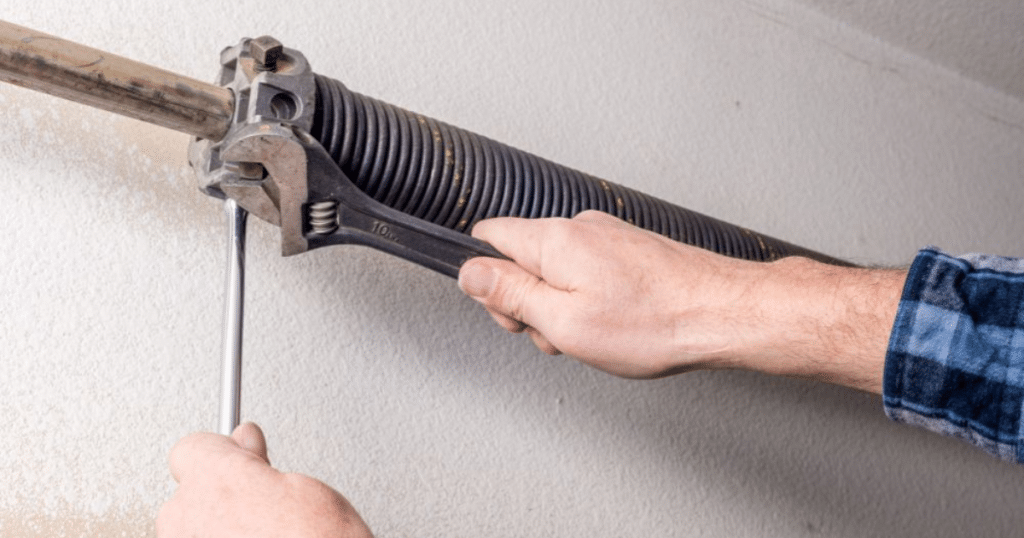
Releasing Spring Tension Safely
Spring systems hold serious tension, so this is handled carefully and with the right tools. This step is one reason professional installation is important.
The technician typically:
- Secures the torsion shaft or extension system
- Releases tension in a controlled sequence
- Removes lift cables and drums, or pulleys
After tension is released, sections and tracks can be removed safely.
Removing Sections And Tracks
Old sections are removed one by one and stacked safely. Tracks and mounting brackets are removed next, along with any worn support points.
This stage often includes:
- Inspecting mounting points for weakness
- Checking for water damage near the ambs
- Cleaning areas where new seals will sit
A clean, stable mounting surface helps the new door stay aligned longer.
New Door Installation Steps From Start To Finish
After prep and removal, the new system is installed. The focus is on stable mounting, correct alignment, and correct spring tension so the door stays balanced.
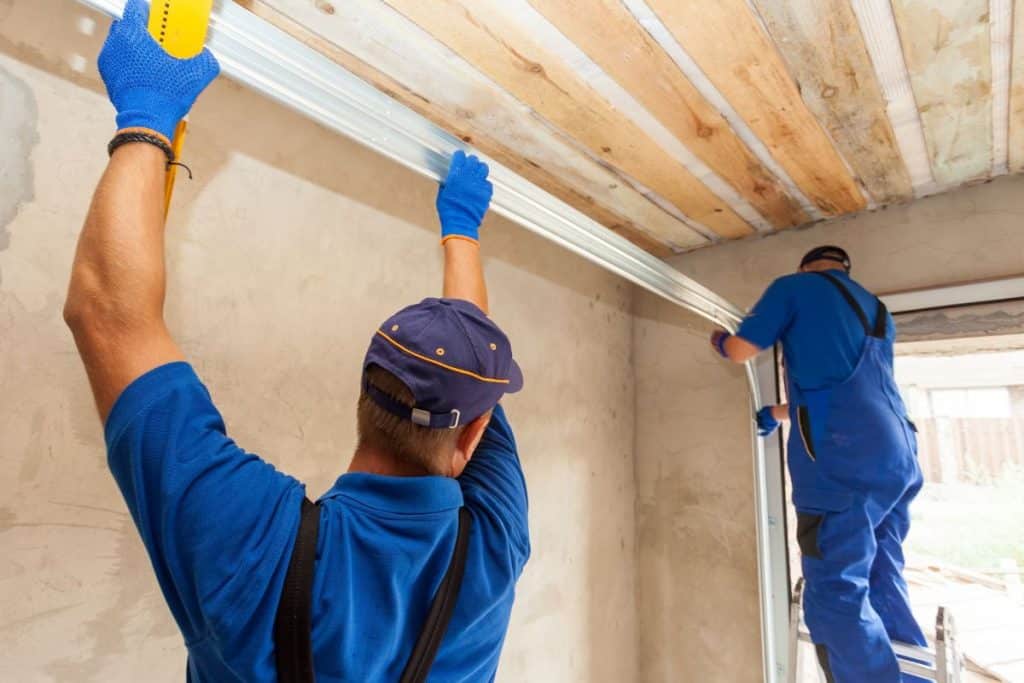
Track Mounting And Alignment
Tracks are mounted first, so the door has a straight and stable path. Alignment matters because it affects noise, wear, and sealing.
Track work includes:
- Vertical track mounting and plumb checking
- Horizontal track mounting and support bracing
- Track spacing checks so rollers roll freely
- Tightening checks after initial door movement
Stable tracks reduce rubbing and help prevent repeat garage door maintenance issues.
Door Section Placement And Hinge Alignment
Sections are placed from the bottom upward. Each section is aligned before the next one is added, so the door stays square.
Section work includes:
- Setting the bottom section level at the floor
- Installing hinges in the correct positions
- Seating rollers correctly in the tracks
- Checking section joints for even spacing
Good section alignment helps reduce vibration and supports better sealing at the jambs.
Spring Setup, Cable Routing, And Correct Tension
This stage sets the lift system so the door feels controlled and balanced. Correct spring tension reduces opener strain and helps prevent unstable travel.
Lift system work includes:
- Setting spring tension to match door weight
- Routing cables to sit correctly on drums
- Checking even lift side-to-side
- Confirming stable shaft and bearing support
If the door feels heavy or drifts on its own, tension adjustments are made until balance is stable.
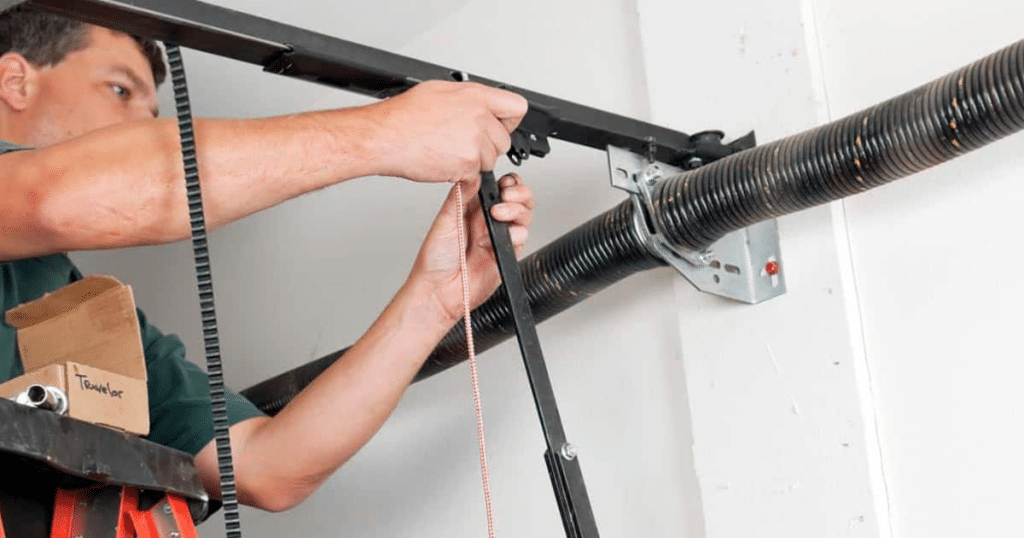
Opener Connection And Sensor Alignment
After the door is operating smoothly by hand, the opener is connected and adjusted. Sensors are aligned so the door closes safely and consistently.
This work includes:
- Installing the opener arm connection point
- Checking travel limits for full close and full open
- Checking force settings to avoid excessive pushing
- Aligning sensors and checking reversal response
Correct settings reduce the chance of emergency garage door service related to refusal to close.
Final Testing And Safety Checking
This stage confirms the job was done correctly. A door can open and close while still being poorly balanced, so thorough checking matters.
Manual Balance Checking
Technicians check the balance without the opener. This confirms spring tension matches door weight.
They check:
- Door stability at mid-height
- Drift up or drift down behavior
- Smooth movement through full travel
- Stable lift on both sides
Stable balance helps reduce garage door repair needs later.
Full Cycle Travel Testing
The door is run through multiple open and closed cycles. The technician listens for rubbing and checks for consistent travel.
They check:
- Smooth starts and stops
- No binding through the track curve
- Even sealing at the floor and header
- No shaking or rattling during movement
This helps confirm the door will operate reliably day after day.
Safety Sensor And Reversal Testing
Safety systems are checked so the door reverses when it should. This helps protect homeowners and supports safe daily use.
They check:
- Sensor beam stability
- Reversal response during closing
- Wall control behavior
- Consistent closing without false reversal
If sensor drift is noticed, mounting is reinforced so that alignment holds.
What Homeowners Should Expect After The Job
A quality installation includes a walkthrough so you know what was checked and what normal operation should feel like. This supports simpler garage door maintenance and helps you spot concerns early.
Walkthrough And Basic Operating Tips
The technician will usually show:
- How the wall control and remotes respond
- How to use the manual release correctly
- What normal sound and movement feel like
- What changes should trigger an inspection
These tips help you notice early signs before they lead to garage door repair.
Maintenance Guidance For Long-Term Reliability
You may also receive guidance on garage door maintenance so the system stays quieter and more dependable.
Guidance often includes:
- Periodic inspection habits
- Track cleaning reminders
- Hardware tightening reminders
- Lubrication guidance for approved areas only
Consistent care helps reduce wear on parts and supports smoother travel.
What To Do If A Concern Shows Up
A technician may also explain what concerns should trigger fast checking.
Examples include:
- Rubbing or grinding sounds
- Uneven travel or shaking
- Refusal to close due to sensor behavior
- A door that feels heavy or unstable
Fast inspection helps prevent damaged parts and larger repair needs.
Trusted Local Support For Installation Day Confidence
Installation day should end with smooth travel, stable balance, and complete safety checking. That helps reduce surprise breakdowns, lowers garage door repair risk, and supports simpler garage door maintenance over the life of the system. For homeowners in Lansing, MI, planning a new residential garage door installation or a garage door replacement, careful setup and thorough testing are the safest approach.
Grand River Garage Door supports homeowners in Lansing, MI, with careful installation practices, thorough safety checks, and reliable garage door repair services that help reduce surprise breakdowns over time. Contact us today or give us a call to schedule an inspection and confirm the right door, opener setup, and safety features for your garage.
Frequently Asked Questions
Will the installation create a lot of noise or disruption?
Some noise is normal during removal, drilling, and track mounting. The loudest stages are often old door removal and hardware tightening. The goal is controlled work, and final testing should sound smoother than the old door once alignment and tension are correct.
Do you need to replace the opener during installation?
Not always. It depends on door weight, opener condition, and safety features. A heavier insulated residential garage door may need a stronger opener. A technician can check compatibility and confirm whether the opener can support smooth travel without strain.
How do you know if the installation was done correctly?
A properly installed door travels smoothly, stays balanced when lifted by hand, seals evenly, and does not shake in the tracks. Safety sensors should close the door consistently, and the opener should not strain or push hard at the floor during closing.
What should you do if the door reverses after installation?
First, check for blockage near the sensors and confirm the sensor lenses are clean. If reversal continues, schedule checking quickly because alignment, mounting stability, or opener force settings may need adjustment. Fast service helps prevent damaged parts. For extra safety reminders tied to opener reversal features and sensor use, DASMA also shares garage door opener safety tips.
Is it normal for the door to feel different than the old one?
Yes. A new door may feel quieter, smoother, and more controlled, especially after a garage door replacement. If it feels heavy, jerky, or unstable, that is not normal and should be inspected, since balance and tension may need adjustment.
How soon can you use the garage door after installation?
Most homeowners can use the door right after final testing is complete. The technician should confirm safe operation, sensor behavior, and stable sealing first. If any concern appears on the first day or two, schedule checking early to prevent wear.
What causes new doors to get noisy soon after installation?
Noise can come from loose hardware, track shift, or rollers not rolling freely. It can also come from a lack of approved lubrication in the correct areas. Early inspection is helpful because small alignment or tightening needs are easier to correct quickly.
What garage door maintenance should be done after a new installation?
Most homeowners benefit from periodic inspection, track cleaning, and approved lubrication in the correct areas. Listening for changes in sound and watching for shaking or rubbing helps catch small concerns early and supports long-term reliability. For a homeowner-focused reminder on how sealing gaps around garage doors can affect comfort, Tom’s Guide highlights common draft sources and sealing steps.
When should emergency garage door service be used after installation?
Emergency garage door service may be needed for emergency garage door repairs if the door will not close and the opening is exposed, or if travel becomes unstable and risks damage. Quick checking helps secure the home and prevents the lift system from causing additional damage to parts.