
Garage door installation services involve more than attaching a door to an opening. A residential garage door has heavy sections, tracks that must align precisely, and a spring system under serious tension. When installation is handled correctly, the door travels smoothly, seals evenly, and places less strain on the opener.
Homeowners in Lansing, MI often schedule installation when upgrading curb appeal, improving insulation, or completing a garage door replacement. If any step is rushed, the door may shake, bind, reverse unexpectedly, or wear out parts early. Those problems can lead to repeated garage door repairs, higher garage door maintenance needs, or emergency garage door service when the door will not open or close safely.
Garage door installation services are designed to prevent those issues by focusing on accurate measuring, stable mounting, correct spring tension, and complete safety checking. A professional approach helps the opener work with the door instead of fighting it, which supports steadier performance across Michigan weather changes.
Site Check And Measurements
Before installation begins, a professional checks the opening and surrounding space, including:
- Opening width and height
- Side clearance and overhead clearance
- Ceiling space and backroom depth
- Frame squareness for proper sealing
These measurements guide where tracks are mounted and how the door will sit when closed. Even a small clearance issue can cause rubbing that leads to noisy travel and faster wear on rollers and hinges. A professional may also check the floor slope at the threshold so the bottom seal contacts evenly across the driveway line.
If you are weighing professional support versus handling the job on your own, read Should You Hire Professional Garage Door Installers? for a clear breakdown of safety checking steps and common DIY errors that lead to garage door repair calls.
Door And Opener Compatibility Review
Not every door pairs correctly with every opener. A professional confirms door weight, opener capacity, and track layout needs. This matters for a residential garage door used daily, because mismatches increase strain and shorten equipment life.
Additional checks include:
- Safety sensor placement
- Wall control positioning
- Hardware type suited for the door
A heavier insulated door may need an opener built for the load and a reinforced attachment point at the top section. A professional also confirms that safety sensors have a clean line across the opening and are installed at a safe height, which supports dependable closing.
Key Installation Tasks A Technician Handles
Precision matters during installation. A professional completes tasks such as:
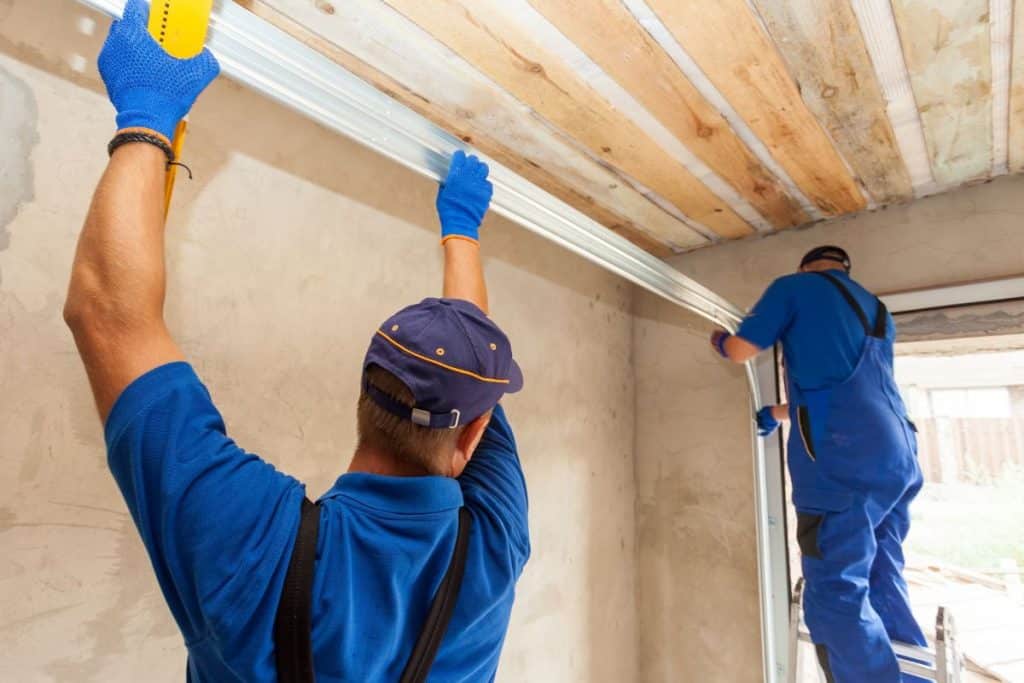
- Track alignment and secure mounting
- Roller seating and hinge alignment
- Bracket installation
- Spring setup with correct tension
- Cable routing and drum seating
- Door balance checking at multiple heights
Track alignment must be straight and stable. Even a slight twist in a vertical track can cause roller drag and uneven movement. Hinge alignment matters because hinges guide how sections fold and roll during travel, and misaligned hinges can create extra noise and uneven wear.
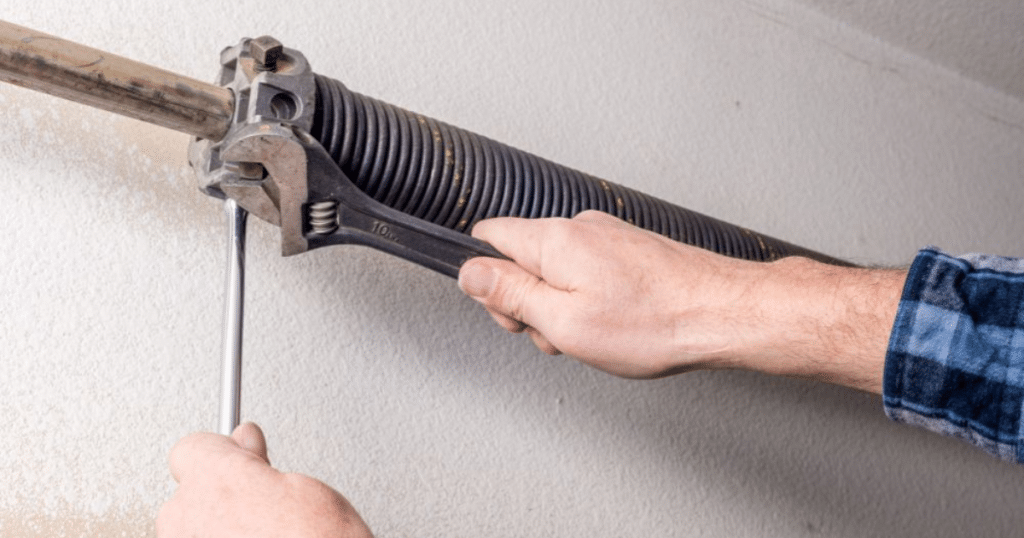
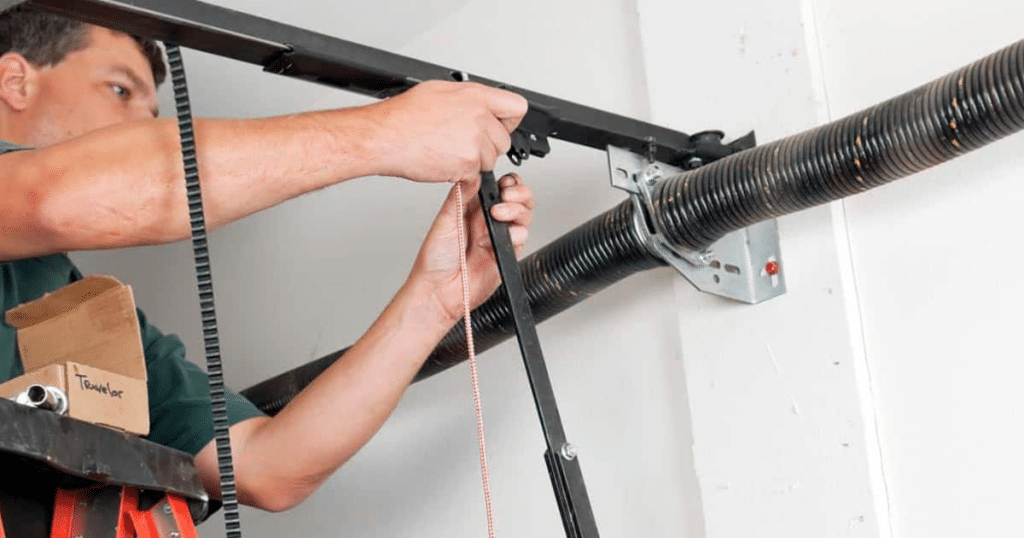
Spring setup is one of the most important steps. Many doors use torsion springs mounted above the opening, while some use extension springs along the tracks. Either way, spring tension must match door weight so the door feels controlled and balanced. Cables must also sit correctly so both sides lift evenly.
A balanced door stays steady and moves without sudden drops or drift. A professional checks this by lifting the door manually to different positions. If the door stays in place at several heights, the balance is usually close to correct.
Final Testing And Homeowner Walkthrough
Before completion, a professional performs detailed checking:
- Smooth open and close travel
- Safety sensor alignment and reversal checking
- Opener travel limit and force checking
- Seal contact along the opening
During testing, a professional listens for rubbing, popping, or grinding. These sounds can signal track spacing issues, loose hardware, or cable seating concerns. A professional also checks that the opener does not apply too much force to the floor, as excessive force can wear out the opener and damage components.
Basic garage door maintenance guidance is often shared so homeowners know what to listen for and when to schedule an inspection. This helps reduce surprise garage door repair needs later.
When DIY Installation Usually Falls Short
DIY installation may seem manageable at first, especially when instructions make the process seem step-by-step. Problems often show up later as noise, uneven movement, or doors that stop mid-cycle. At that point, many homeowners schedule garage door repair anyway.
A garage door system has many parts that must work together. When one part is slightly off, another part often takes the impact. That can show up as worn rollers, loose hinges, frayed cables, or an opener that struggles. DIY installation can also create sealing gaps that allow moisture and debris to enter, which can increase garage door maintenance needs over time.
Door Weight And Spring Tension Risks
Garage doors are heavy, and spring systems hold strong tension. Incorrect setup can lead to injured hands or arms and can place excessive strain on the opener.
Common trouble areas include:
- Incorrect spring tension
- Improper cable seating
- Misaligned brackets
Incorrect spring tension can make the door feel too heavy, which strains the opener and can cause uneven travel. Too much tension can make the door rise on its own or snap upward when released. Cable seating concerns can cause one side to lift higher than the other, pulling the door out of alignment and increasing wear on parts.
Track Alignment Mistakes That Cause Noise
Tracks must remain straight and stable. If alignment is off, the door may:
- Shake during travel
- Rub along one side
- Produce loud grinding sounds
- Seal unevenly
These problems increase garage door maintenance needs due to faster wear on parts. When rollers rub, they can flatten or crack. When hinges twist, they can loosen. When the track shifts, the door can drift and create a gap along the seal.
Opener And Safety Sensor Setup Problems
Opener travel limits and force settings must be adjusted correctly. Sensors must remain aligned for proper reversal.
If the travel limit is too short, the door may stop before it seals. If the travel limit is too long, the opener may keep pushing after the door hits the floor, which can strain the rail and loosen brackets. When sensors drift out of alignment, the door may refuse to close, creating security concerns and often leading to emergency garage door service requests.
What Professional Garage Door Installers Do Differently
Professional installers follow a proven process and use specialized tools. The main difference is not speed, but accuracy and complete safety checking.
Professionals know what to check when something feels off. If the door binds at one spot, they check track spacing and bracket positioning. If the door feels heavy, they check spring tension and cable routing. This careful approach helps reduce early service calls for garage door repair soon after installation.
The U.S. Department of Energy highlights that tighter building enclosures and insulation planning support comfort and long-term durability, which is why sealing details matter during door installation.
Precise Door Balance For Reliable Operation
Door balance affects:
- Smooth travel
- Reduced opener strain
- Slower wear on rollers and hinges
- Fewer unexpected breakdowns
Professionals adjust spring tension gradually and verify balance at multiple points. They also confirm that both sides lift evenly and that cables stay seated during travel.
Accurate Track Setup For Smoother Door Travel
Track placement is measured and secured for long-term stability. Proper alignment allows the door to move evenly and quietly.
Professionals also confirm:
- Correct spacing between tracks
- Secure attachment to framing
- Free roller movement
They also check the curve of the horizontal track so the door transitions smoothly as it moves overhead.
Safe Handling Of Springs And Lift Hardware
Springs, cables, and brackets operate as a single lift system. Professionals manage spring tension safely and confirm each connection is properly seated. This is especially important during a garage door replacement, when older hardware may be worn or damaged.
Signs Your Home May Need Garage Door Replacement Instead Of Installation Only
Sometimes replacement is the safer and more practical option. A garage door replacement can restore proper operation and reduce repeated garage door repair visits.
Replacement may be the better choice when the door is outdated, sections are weakened, or sealing has become unreliable. A newer door can improve daily use, especially when paired with an opener that matches the door’s weight and travel needs.
Door Panels Show Structural Damage Or Warping
Structural damage can cause:
- Uneven travel
- Track rubbing
- Poor sealing
- Added opener strain
In Lansing conditions, sealing helps protect against moisture and temperature changes. Warped sections can create gaps along the sides or bottom that allow cold air to enter in winter.
Repairs Keep Returning In The Same Areas
Repeated issues may signal system-wide wear, including:
- Roller concerns
- Track movement
- Cable slippage
- Balance loss
If the same issue returns after garage door repair, the door may be reaching the end of its service life. If deciding between repair and replacement, see When Should You Replace a Garage Door?
Safety And Performance Upgrades Matter
Newer doors often offer improved sealing, quieter movement, and better compatibility with modern openers. Replacement is also an ideal time to inspect opener compatibility and confirm the system supports your daily routine.
What Happens During A New Garage Door Installation
Understanding installation day helps homeowners prepare and recognize quality work. A professional installation typically follows a clear order: preparation and removal when needed, track mounting, section setup, spring and cable setup, opener connection, and complete safety checking.
Preparation Steps Before Installation Day
Preparation steps include:
- Clearing the door area
- Moving vehicles, if possible
- Keeping kids and pets away
- Confirming power access
Old doors are removed first during a garage door replacement. Removal includes detaching the opener arm, releasing spring tension safely, and removing sections and tracks in a controlled way.
Installation Day Process From Start To Finish
A professional completes:
- Track mounting and alignment
- Door section placement
- Roller and hinge installation
- Spring setup with correct tension
- Cable routing
- Opener connection
- Sensor alignment
During section placement, professionals confirm that hinges are installed in the correct positions and that rollers sit correctly in the track.
Testing, Adjustments, And Final Safety Checks
Final checks include:
- Manual balance checking
- Full travel cycle checking
- Sensor and reversal verification
- Hardware tightening
These steps reduce early garage door repair and lower the risk of emergency garage door service. For a full timeline and preparation overview, read What Happens During a New Garage Door Installation?
How To Select A High-Quality Installer
The right installer supports long-term performance and safety. A quality installer explains the process clearly and completes full safety checks. Clear communication helps homeowners understand how to care for the door and when to schedule garage door maintenance.
For a broader routine home upkeep checklist that supports scheduling inspection habits, read NAHB’s routine home maintenance resource.
Credentials And Experience Signals
Strong indicators include:
- Clear explanations of safety checking
- Experience with multiple door styles
- Confidence in managing spring tension
Questions To Ask Before Scheduling
Helpful questions include:
- What installation steps are included?
- How is the door balance checked?
- What safety tests are completed?
- What garage door maintenance steps are recommended afterward?
Red Flags That Suggest Poor Workmanship
Be cautious of rushed inspections or unclear answers about testing. Skipping measurements often leads to alignment problems. Another red flag is avoiding discussion about spring tension or balance checking.
Trusted Local Support For Garage Door Installation
Professional installation should deliver smooth travel, stable balance, and complete safety checks every time the door runs. That means fewer surprise breakdowns, fewer garage door repair calls, and simpler garage door maintenance over the life of the system. For homeowners in Lansing, MI, planning a new residential garage door installation or a garage door replacement, the safest option is careful installation with thorough safety testing.
Grand River Garage Door helps homeowners in Lansing, MI, with residential garage door installation, ensuring precise track alignment, correct spring tension, and full safety sensor testing for reliable daily operation. Contact us today or give us a call to schedule an inspection and confirm the best door and opener setup for your garage.
Frequently Asked Questions
What door damage is considered structural enough to replace?
Structural damage means the door sections can’t stay straight or supported during travel. Warping, cracks near hinges, weakened edges, or rot at the bottom can cause rubbing and sealing gaps. These concerns often return even after garage door repair.
When do dents matter enough to replace the door?
Minor dents that don’t change the door shape may not affect operation. Dents become a bigger issue when they distort section alignment, weaken hinge mounting points, or prevent proper sealing. If the door shakes or binds, replacement may be safer.
Can you replace only the bottom section if it is worn out?
Sometimes, but it depends on door age and whether matching sections are available. If other sections are also worn, a partial change may not restore smooth travel or proper sealing. A full garage door replacement often provides better long-term stability.
What if the door works, but the sealing is poor?
Poor sealing may mean the door is no longer closing square or the edges are worn. In Lansing, MI, drafts and moisture entry can become obvious during seasonal shifts. If new seals still leave gaps due to warping, replacement is often the better choice.
How do repeated track problems affect the replace versus repair decision?
If tracks keep shifting or going out of alignment, the cause may be vibration, weak mounting areas, or door wear that pulls against the tracks. When track issues return after service, replacement may restore more stable travel and reduce repeat garage door repair.
When does a heavy-feeling door point to replacement instead of adjustment?
A heavy-feeling door can come from balance concerns, but if it keeps returning after proper tension adjustment, the door may be wearing out. When heaviness comes with shaking, rubbing, or uneven closing, replacement often becomes the safer option.
Does door age matter as much as door condition?
Condition matters most, but age can signal broader wear across the system. Older doors may have weaker sections, outdated hardware, and sealing that no longer performs well. When multiple issues appear together, garage door replacement is often the more dependable path.
What is the risk of delaying replacement when problems keep returning?
Delaying replacement can lead to surprise failures, higher garage door maintenance needs, and emergency garage door service if the door will not close. Repeated issues can also strain the opener and cause damaged parts faster, especially when the door is not balanced.
Is replacement a better time to update safety and comfort features?
Yes. Replacement is a chance to improve sealing, reduce vibration, and match the door with hardware that supports smoother travel. A professional can also check opener compatibility and sensor stability, which helps support safer daily operation and fewer repeat concerns.