
Your garage door does more than provide access for your vehicle. It supports home security, everyday convenience, and exterior appearance. Over time, many homeowners notice performance changes, slower movement, inconsistent closing, or increased noise from the garage door opener. While a repair may restore operation for a while, there often comes a point when ongoing repairs no longer deliver dependable results.
Garage door replacement can be the smarter option when age-related wear affects multiple parts, and daily use becomes unreliable. A new garage door and opener can improve safety features, restore smoother operation, and reduce the need for repeated service visits. For many homeowners, replacement offers long-term reliability and greater confidence in the system’s performance.
The Importance of Upgrading an Aging Garage Door
Upgrading an aging overhead door is an essential decision for any homeowner focused on safety and daily convenience. As garage doors age, performance can decline, and older systems may no longer include current safety features. A newer garage door is designed to operate more consistently, ensure secure closure, and reduce risks associated with outdated hardware and worn parts.
Garage door replacement can also enhance home value and exterior appearance. The garage door is one of the most visible features of a home, and an updated design can immediately strengthen curb appeal. When an older door no longer operates reliably or affects the home’s curb appeal, replacement is a practical step toward better performance, improved security, and long-term confidence in daily use.
To explore the most common reasons homeowners make this switch, read Why Do Homeowners Choose Garage Door Replacement Over Repairs?
Common Signs Your Garage Door Needs Replacement
Recognizing early warning signs helps a homeowner decide whether another repair will restore dependable operation or if garage door replacement is the better option. When the same problems recur, it often indicates broader wear across the system rather than a single isolated issue. At that stage, continued repair may deliver only short-term improvement, especially if multiple parts are aging simultaneously.
It’s also essential to inspect the garage door opener. If the opener struggles to lift the door, operates inconsistently, or becomes noticeably louder, the door may be creating extra resistance, or the system may be out of balance. Visible door damage also matters. Rust, dents, and bent panels can weaken the structure, reduce smooth travel, and create safety concerns. In Lansing, MI, seasonal weather shifts can accelerate wear, making durability and insulation more critical when evaluating replacement.
Common signs to watch for include:
- Significant dents, rust areas, or bent panels
- Ongoing grinding, scraping, or creaking during operation
- Frequent repair needs with short-lived results and rising service history
- A door that feels unusually heavy or difficult to lift manually
When several of these issues occur together, replacement can restore smoother operation, reduce safety concerns, and improve reliability for daily use.
If you’re noticing recurring breakdowns and want to know when repairs stop being worth it, read When Garage Door Repairs Stop Making Sense for Homeowners.
Risks of Keeping an Outdated Garage Door
Continuing to use an outdated garage door can increase safety and security concerns for a homeowner. Older systems may lack modern safety features such as photo-eye sensors and reliable auto-reverse operation. When these protections are missing or no longer functioning correctly, the risk of a homeowner being injured or property being damaged increases, especially during daily open-and-close cycles.
An aging garage door can also weaken home security. Worn parts, declining door strength, and outdated locking support can make unauthorized entry easier. A door that does not close consistently can also leave the garage exposed, creating additional risk during overnight hours or severe weather.
Reliability is another concern. An unpredictable door can trap a vehicle inside, fail to open when needed, or remain stuck during wind and rain. When repair calls become frequent and performance remains inconsistent, garage door replacement is often the more dependable option for restoring safe operation, improving security, and reducing day-to-day disruption.
Comparing Garage Door Replacement vs. Garage Door Repair
Choosing between garage door repair and replacement depends on the door’s condition, age, and operating consistency. When issues are minor and limited to a single area, repair may restore normal function and keep the system operating reliably. This is often the right option when the door structure is still solid, and the problem is isolated.
Replacement is the smarter option when the door is older, shows widespread wear, or the same concerns recur after service visits. In those cases, repairs may provide only short-term improvement while additional parts continue to fail over time. A professional inspection helps determine whether the system can be repaired or if replacement will deliver stronger long-term reliability, improved safety features, and smoother daily operation. A repair-versus-replacement checklist can help homeowners weigh age, repeat failures, and reliability before deciding.
For a closer look at the long-term advantages homeowners often see after upgrading, read The Long-Term Payoff of Choosing Garage Door Replacement.
When Garage Door Repairs Are No Longer Effective
There comes a point when garage door repair becomes a short-term response rather than a lasting solution. If a homeowner schedules repairs more than once a year, especially for recurring issues, it often indicates that age-related wear is affecting multiple components. As the system declines, a single repair may restore operation briefly, but another issue can arise soon after due to overall wear and increasing tension in the door hardware.
Certain conditions are also difficult to resolve through repair alone. Widespread rust, structural weakening, and damage across multiple panels can reduce stability and lead to ongoing performance concerns. Even after one issue is addressed, the door may continue to operate unevenly, generate persistent noise, or place additional load on the opener.
A professional inspection is the most reliable way to determine whether repair is still a practical option. Technicians can check the balance, alignment, opener settings, and safety features to assess the door’s overall condition. This helps homeowners avoid repeated repairs that do not deliver dependable results and identify when garage door replacement is the smarter direction for long-term reliability and safety.
How Replacement Can Eliminate Recurring Issues
Garage door replacement is often the most effective way to resolve recurring issues. When an older door requires repeated repair, the underlying causes are usually spread across multiple worn parts rather than a single issue. Replacing the entire system enables all parts to work together as designed, addressing root causes rather than temporary symptoms. Many homeowners choose replacement because it delivers the reliability they can depend on for the long term.
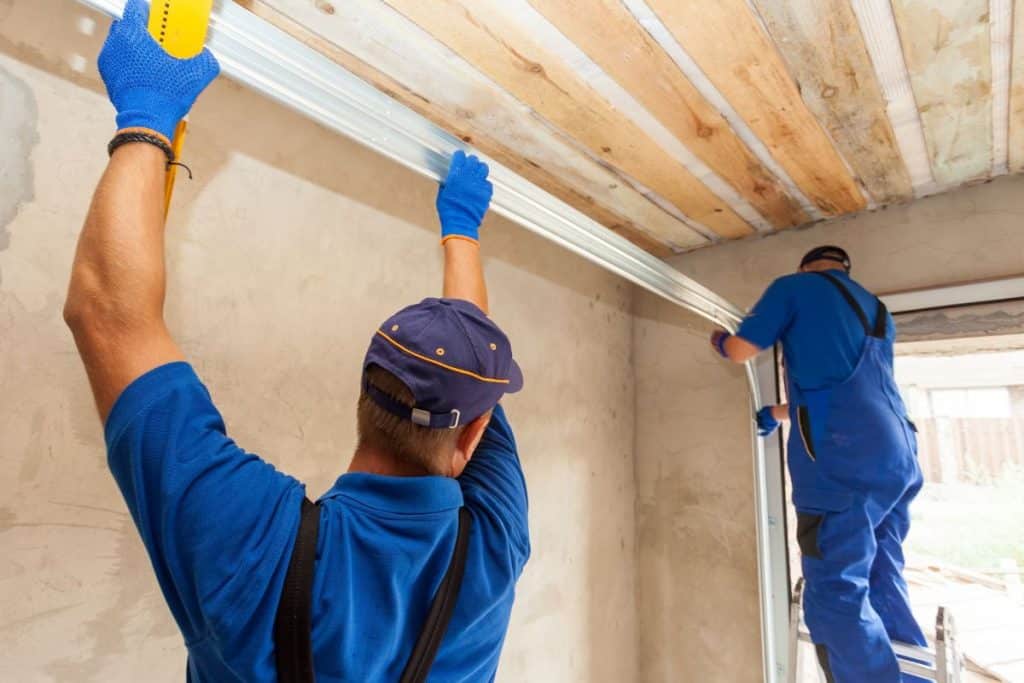
With a new garage door system, critical parts such as springs, cables, tracks, and the opener are updated at the same time. This eliminates mismatched or aging parts that can interfere with smooth operation. A professional installation also ensures proper alignment and balanced tension, supporting consistent movement and reducing ongoing adjustments.
A residential garage door replacement completed by trained technicians can resolve issues such as:
- Frequent realignment or adjustment needs
- Inconsistent opening and closing performance
- Excessive noise caused by worn or incompatible parts
- Security concerns linked to outdated door design or hardware
By upgrading the whole system, homeowners can achieve steadier operation, improved safety, and fewer service interruptions over time.
Advantages of Modern Garage Door Installation
Modern garage door installation offers clear benefits for homeowners who want reliable operation, stronger durability, and improved energy efficiency. Many newer doors are designed with enhanced insulation and tighter perimeter sealing, which can help reduce temperature transfer between the garage and nearby living spaces. Results may vary based on insulation level and door construction, but an updated system often supports more consistent comfort and smoother daily operation.
Today’s garage doors also provide a wider range of design and performance options. A qualified garage door company can help you compare styles, materials, and safety features that fit your home’s needs. Many opener systems now include smart-home connectivity, improved security features, and more consistent performance. With stronger construction options and updated technology, a modern installation can enhance convenience, support safer operation, and strengthen overall home value.
Enhanced Safety and Security Features
A new garage door system can significantly improve a homeowner’s safety and security, especially when replacing an older door and opener. Modern systems are designed to support safer daily operation and stronger protection for the garage entry, which is why many technicians recommend upgrading when safety features are outdated or unreliable.
One of the most important upgrades is the photoelectric safety sensor. This sensor uses an infrared beam across the opening, and if an object interrupts the beam while the door is closing, the system stops and reverses. Many newer openers also include rolling code technology, which changes the remote access code with each use to reduce the risk of unauthorized entry. Additional improvements may consist of stronger door construction and innovative controls that enable monitoring and operation via a mobile device.
With a new garage door and opener, homeowners can benefit from:
- Auto-reverse safety features that help protect households and reduce the risk of property being damaged
- Rolling code security that helps block unauthorized access attempts
- Durable materials and reinforced designs that make forced entry more difficult
- Smart controls for monitoring and operation from a distance
Improved Curb Appeal and Home Value
A garage door is one of the most visible exterior features of a home. When the door appears worn or has noticeable damage, it can reduce the overall exterior appearance and make the property feel less updated. Garage door replacement is a quick way to refresh the front of the home, especially when the new door is selected to match the architectural style, exterior colors, and existing design details.
Modern garage door styles offer a wide range of options, including different panel designs, window layouts, finishes, and materials. These choices help homeowners create a more cohesive exterior and strengthen first impressions. A door that operates smoothly and closes securely also conveys a sense of quality and care that buyers and visitors notice immediately.
Beyond appearance, replacement can increase home value by improving both function and exterior appearance. Results may vary by door design and the property as a whole, but many homeowners choose this upgrade because it enhances daily satisfaction and supports better resale appeal over time.
What to Expect from Professional Garage Door Services in Lansing, MI
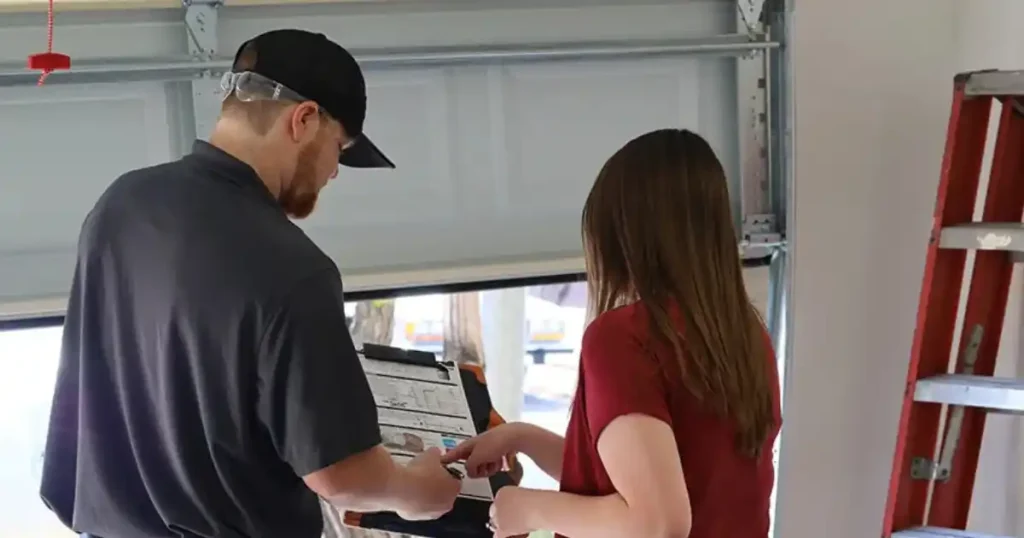
When a homeowner decides it’s time for garage door replacement in Lansing, MI, working with a professional company helps keep the process organized and dependable. Many providers offer end-to-end service, including an initial consultation, an estimate, removal of the existing door, and complete garage door installation with operational testing. Support from a live representative for scheduling and questions can also make the experience smoother, especially when the door is not closing securely or access is disrupted.
When selecting a service provider, prioritize proven artistry, consistent homeowner reviews, and clear communication about what is included. The right team should inspect the opening, confirm measurements, explain material and insulation options, and verify opener compatibility before installation begins. Investment may vary based on door selection and installation needs, but professional guidance helps homeowners choose a door that matches performance goals and supports long-term reliability.
Local Expertise, Free Estimates, and Typical Project Timelines
Choosing a local company with deep experience in the Lansing area offers clear advantages for homeowners. Technicians familiar with regional home designs and local requirements can help ensure your garage door installation aligns with safety standards and supports long-term performance. Many reputable providers also offer an estimate, giving you clear expectations before scheduling begins, with details that may vary based on door selection and site conditions.
The process usually starts with a consultation, during which a technician evaluates your current setup, confirms measurements, and reviews door and opener options aligned with your goals. Scheduling is often simple through direct phone support with a live representative. After you select the door, installation is scheduled. While timelines may vary based on door availability, installation is typically completed within one day.
Here is a typical project timeline for a residential garage door replacement:
| Phase | Description |
| Consultation & Estimate | A qualified technician visits your home, measures the opening, reviews options, and provides an estimate. |
| Door Selection & Order | You select the style, material, and features; the provider then orders the door if it is not in stock. |
| Installation Day | The team removes the existing door, installs the new door with tracks and opener, then completes operational and safety testing to confirm correct performance. |
Factors to Consider Before Starting a Garage Door Replacement
Before selecting a new garage door, homeowners should evaluate a few key details that affect performance, durability, and long-term satisfaction. Start with the door material, as it involves strength, maintenance requirements, and how well the door handles seasonal conditions. Style is also important because the garage door is a prominent exterior feature and should match the home’s architecture. Insulation is another priority, especially in climates with colder winters, as it helps maintain better temperature control in the garage and adjacent rooms.
It’s also essential to consider opener compatibility. Door weight, size, and daily use habits determine which opener type and features are most suitable for reliable operation. A professional consultation can help compare door models, insulation levels, and hardware requirements, ensuring the selected system meets safety standards, is energy-efficient, and maintains a cohesive exterior appearance.
Choosing the Best Materials and Style for Your Home
Selecting the right garage door material and design is critical to long-term performance and exterior appearance. Experienced technicians can explain how different materials perform and which options align with your home’s needs. Material choice affects durability, insulation capability, maintenance requirements, and how well the door handles seasonal conditions. Making an informed selection helps ensure the door supports reliable daily operation for years to come.
Garage door styles also vary widely, from traditional raised-panel designs to modern flush profiles and carriage-style doors. The right style should complement your home’s architecture rather than compete with it. Optional features such as window inserts can introduce natural light, while decorative hardware can enhance exterior detail. Opener compatibility is also important, since door weight and construction influence how smoothly and quietly the system operates.
Key factors to evaluate include:
- Material: Steel offers strength and low maintenance, while composite and wood-style options provide classic character with added durability.
- Insulation: An insulated door supports better temperature control in the garage and nearby living spaces.
- Style: Select a design that aligns with your home’s architectural character, whether modern, traditional, or rustic.
- Windows: Window options can improve natural light and add visual interest without sacrificing performance.
Understanding the Average Cost and Warranty Coverage
Knowing the financial side of garage door replacement helps a homeowner plan with clear expectations. The overall investment in Lansing can vary based on door material, style, size, insulation level, and selected features. The most accurate way to understand what applies to your home is to request an estimate from a trusted garage door company, since the final scope depends on your opening, door weight, and installation requirements.
When comparing recommendations from garage door sales teams, review warranty details closely. Strong warranty coverage reflects product standards and professional installation practices and helps protect your system if issues arise with materials or artistry. Terms may vary by door type and manufacturer, so it’s essential to confirm what is included before moving forward.
Key factors that influence long-term value include:
- Warranty: Confirm coverage for both the door and labor, and understand any limits or exclusions.
- Materials and customization: Higher-grade materials, insulation upgrades, and custom design features can increase the overall investment, but they can also improve durability and exterior appearance.
Garage door replacement is often the more intelligent choice when an aging system creates recurring performance issues or raises safety concerns for a homeowner. A new door can enhance daily reliability, improve security, and enhance the exterior appearance. When the door no longer operates consistently, updating the entire system helps restore smoother operation and reduces the risk of worn, outdated parts.
Grand River Garage Door provides professional garage door replacement with clear guidance on material selection, insulation options, and installation standards that support long-term performance. Our technicians focus on safe operation, quality artistry, and a door that fits your home’s needs. If you’re ready to upgrade, contact us or give us a call today.
Frequently Asked Questions
Should I hire a professional or handle the garage door replacement myself?
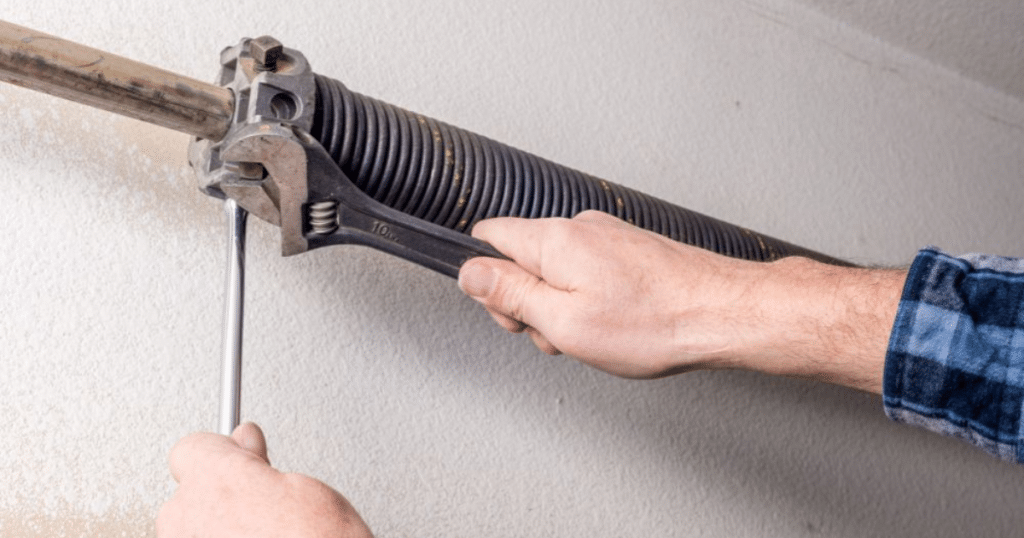
Hiring a professional is strongly recommended. Garage door systems include heavy sections and high-tension springs that require proper training and tools. Professional installation helps ensure safe operation, correct alignment, and reliable long-term performance. Because garage door springs are under extreme tension, spring-related work can be dangerous without proper training and tools.
What should homeowners in Lansing, MI, consider before replacing a garage door?
Key considerations include insulation for cold winters, material durability, style compatibility with the home, safety features, and compatibility with the opener. A professional inspection helps confirm the best fit in terms of both performance and appearance.
How can I find a reliable garage door replacement service near me?
Look for a local provider with consistent homeowner reviews, experienced technicians, and clear communication. The ability to speak with a live representative and receive a detailed estimate is also a strong indicator of dependable service.
What factors affect the overall investment for garage door replacement?
The total investment may vary based on door material, insulation level, size, design features, and installation requirements. An on-site estimate is the most accurate way to understand what applies to your specific garage.
Is garage door replacement completed in one visit?
In most cases, yes. Once the door is available, installation, setup, and safety checks are typically completed in a single visit. Some timelines may vary if custom doors or special configurations are required.
What types of garage doors are available for residential homes?
Homeowners can choose from steel, composite, aluminum, and wood-style doors, along with a variety of panel designs, including raised-panel, carriage-style, and modern flush profiles. A technician can help narrow options based on usage and climate.
Can garage door replacement improve home safety?
Yes. New garage doors and openers often include updated safety features such as photo-eye sensors, auto-reverse operation, and stronger structural design, helping reduce risk during daily use.
Why do homeowners replace aging garage doors instead of continuing to repair them?
Replacement is often chosen when repairs become frequent, performance stays inconsistent, or safety features are outdated. A new door can restore reliability and reduce ongoing service needs.
What is the typical lifespan of a garage door system?
Garage doors typically last 15 to 30 years, depending on the material, usage, and installation quality. Openers usually have a shorter service life. A professional inspection can help determine when replacement is the best option.