
A garage door opener that hesitates, grinds, or occasionally fails to respond is easy to ignore, especially when the door still opens most of the time. Many Lansing homeowners wonder whether a small opener issue can simply wait. Unfortunately, skipping garage door opener repair rarely makes the problem go away. Instead, it tends to get worse, often turning a simple fix into a bigger and more expensive one.
Understanding what your opener does, how problems develop, and what can happen if repairs are delayed will help you make a smarter decision about when to call for help.
What Does a Garage Door Opener Actually Do?
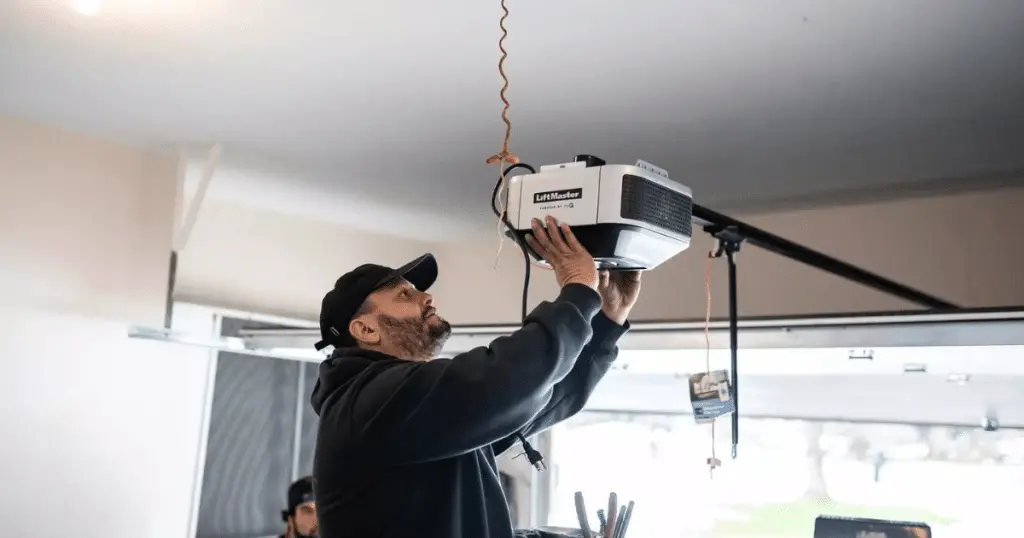
The opener is the motorized system responsible for raising and lowering your garage door safely and consistently. It works together with springs, cables, tracks, and rollers, so when the opener struggles, it is often a sign that something in the broader system needs attention as well.
A functioning opener should lift and lower the door smoothly, respond promptly to remote or keypad commands, and reverse immediately if it senses an obstruction. When any of these behaviors change, it usually means a component inside the opener, or connected to it, is starting to fail.
Common Signs Your Garage Door Opener Needs Repair
Openers rarely fail without warning. Most homeowners notice small changes well before a complete breakdown occurs. The door may start moving slower than it used to, or the opener motor might strain and make louder noises during operation. Sometimes the remote or wall switch responds inconsistently, requiring multiple presses before the door reacts. In other cases, the door reverses unexpectedly partway through closing, or it stops moving altogether and requires manual operation.
Any of these signs is a signal that the opener, or a related part of the garage door system, needs professional attention soon rather than later.
What Happens if You Ignore These Warning Signs?
The Problem Rarely Stays Small
An opener issue that seems minor today tends to progress. A motor that strains occasionally will strain more often as gears wear down further. A remote that works intermittently may eventually stop working altogether, leaving you with a door that only operates manually.
Increased Strain on Other Components
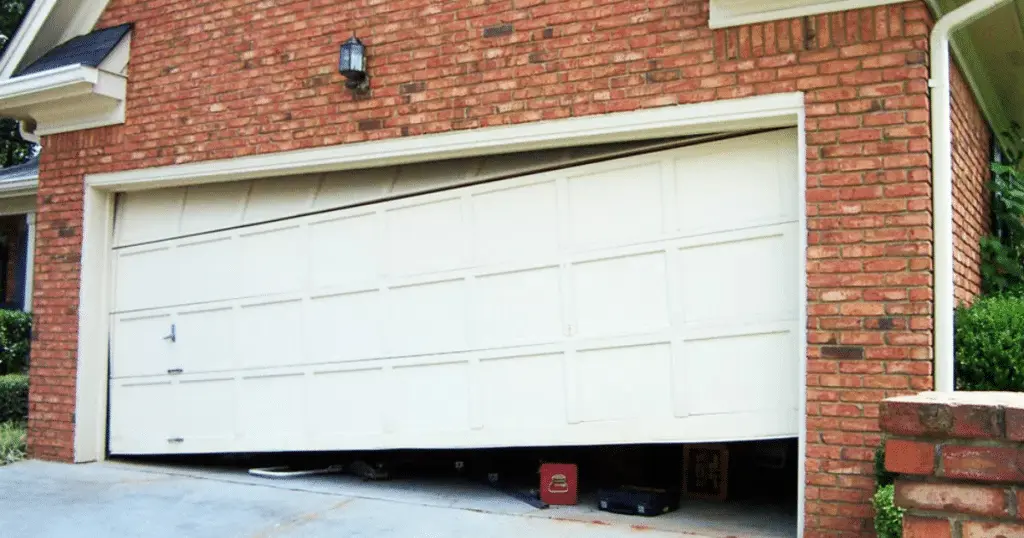
Your opener does not work alone. It is connected to the springs, cables, and tracks that physically move the door. When the opener struggles, it often compensates by putting extra force into the system. Over time, this added strain can accelerate wear on springs and cables, potentially leading to a much larger repair than the opener alone would have required.
Safety Sensors May Stop Functioning Properly
Modern garage door openers include safety sensors designed to stop or reverse the door if something is in its path. When an opener begins to fail, these sensors can become unreliable as well. A door that does not reverse properly when it should is a serious safety hazard for children, pets, and vehicles.
Complete Opener Failure
Eventually, a neglected opener issue can lead to full failure, leaving the door stuck in place or requiring manual operation every time. Since a garage door is the heaviest moving object in most homes, operating it manually is not just inconvenient; it introduces a real safety risk. If the door is not properly supported.
Higher Repair or Replacement Costs
A worn gear or a failing capacitor addressed early is a relatively simple repair. Left unaddressed, that same issue can damage the motor entirely, meaning a full opener replacement rather than a straightforward repair. Waiting rarely saves money in the long run.
Why Does a Garage Door Opener Wear Down Over Time?
A garage door opener works hard. It operates thousands of times per year, often carrying the full weight of a door that may weigh well over a hundred pounds. Seasonal temperature changes throughout Mid-Michigan also place additional stress on both the motor and the mechanical components, since extreme cold or heat can affect lubrication, belt tension, and electrical connections.
Without regular maintenance, small amounts of wear accumulate. Gears grind slightly with each use, belts or chains stretch gradually, and electrical connections loosen over time. None of this happens overnight, which is exactly why symptoms often go unnoticed until the problem becomes more serious.
Can I Repair a Garage Door Opener Myself?
Homeowners can safely handle a few basic checks, such as replacing remote batteries, checking that the opener is properly plugged in, or cleaning dust away from sensor eyes. Beyond that, opener repair generally involves working with electrical components, motor assemblies, and safety mechanisms that require training to service correctly.
Attempting to repair or replace opener components without the right experience can lead to improper installation, sensors that fail to reverse the door as intended, or damage to the door system itself. Because the opener plays such a direct role in safety, professional repair is almost always the better choice.
The Benefits of Professional Garage Door Opener Repair
Accurate Diagnosis
A trained technician can identify whether the issue is truly with the opener itself or with a related component like the springs or tracks, preventing you from paying for the wrong repair.
Proper Parts and Installation
Openers rely on specific gears, belts, circuit boards, and sensors. Professional repair ensures the right parts are used and installed correctly, so the system continues operating safely.
Long Term Reliability
Addressing opener issues early, with the help of an experienced technician, helps extend the life of the entire garage door system rather than just patching a single symptom.
Trusted Garage Door Opener Repair in Lansing, MI
Grand River Garage Door has provided garage door opener repair and installation throughout Lansing, MI and the surrounding Mid-Michigan communities for over 35 years. Our technicians are background checked, drug screened, and insured, so you can feel confident inviting us into your home.
Whether your opener needs a simple adjustment, a full repair, or a complete replacement, our team offers top brands and seamless installation designed to restore smooth, reliable operation. We also handle broken spring replacement, garage door repair, and full garage door installation, so any related issue can be addressed during the same visit if needed.
Frequently Asked Questions
What are the first signs of a failing garage door opener? Common early signs include slower operation, unusual grinding or straining noises, inconsistent response to the remote or wall switch, and occasional reversing during operation.
Is it safe to keep using a garage door opener that is having problems? It depends on the issue, but continuing to use a struggling opener often accelerates damage and can compromise safety features like automatic reversing sensors. It is best to have it inspected as soon as problems appear.
Can a garage door opener issue affect the rest of the door system? Yes. A struggling opener can place additional strain on springs, cables, and tracks, potentially leading to more extensive repairs if left unaddressed.
How long do garage door openers typically last? With regular maintenance and prompt repairs when issues arise, openers can last many years. Neglected problems tend to shorten that lifespan considerably.
Should I repair or replace my garage door opener? This depends on the age of the opener, the extent of the damage, and the cost of parts. A professional technician can evaluate your specific situation and recommend the most cost-effective option.
Schedule Your Garage Door Opener Repair Today
A struggling garage door opener is not a problem that improves on its own. Left unaddressed, it can lead to bigger repairs, added strain on your entire garage door system, and safety risks for your family.
Call us today at (517) 325-9005 or (989) 277-9131 to schedule your garage door opener repair, or book an appointment online. Our experienced, trusted technicians are ready to diagnose the issue and get your garage door working safely and reliably again.