
Explore the anatomy of garage door parts and learn how each component powers your home’s main entry point.
Your garage door is more than just a convenient entry point, and it’s a complex system of springs, rollers, tracks, panels, and openers. Learning the anatomy of garage door components helps homeowners and property managers recognize signs of wear before they become significant problems. Understanding how each part works improves safety and helps extend your garage door’s lifespan.
If you want to understand your garage door system in greater detail, Grand River Garage Door offers professional insight and reliable service. Their experienced technicians explain the mechanics clearly, empowering you to make smarter repair or upgrade decisions. With a strong commitment to education and performance, Grand River Garage Door ensures every customer gains long-term value from their garage door investment.
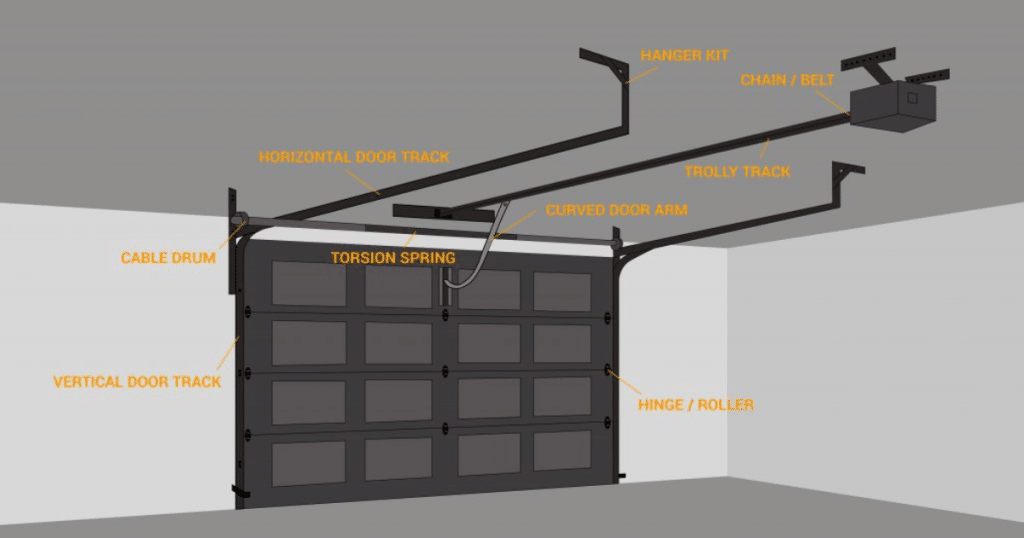
The Main Components of a Garage Door
A typical garage door has several interdependent components that ensure smooth, safe operation. Let’s explore the key structural elements.
Garage Door Panels
These are the visible sections that make up the face of the door. They are made of various materials, including steel, aluminum, and wood, and may be insulated to improve energy efficiency.
Properly aligned panels prevent drag, reduce wear on moving parts, and enhance curb appeal. Damage or warping can compromise the door’s operation, making professional repair a wise investment.
Hinges and Brackets
Hinges connect individual panels, allowing the door to bend as it moves along the track. Brackets secure these hinges and other hardware to the door.
If hinges become loose or brackets start to rust, the door may stick or misalign. Regular inspection and timely replacement from Grand River Garage Door can extend the life of your system.
Tracks and Rollers
The door travels up and down on metal tracks using small wheels called rollers. Tracks are divided into vertical (along the sides) and horizontal (overhead) sections.
Worn-out rollers or misaligned tracks cause noise, shaking, or resistance during operation. If you hear grinding or squeaking, it’s time to have Grand River Garage Door assess the issue.
The Power Behind the Movement: Springs and Cables
Springs and cables do the heavy lifting, counterbalancing the door’s weight so it can be raised and lowered with minimal effort.
Torsion Springs vs Extension Springs
Torsion springs are mounted above the door, while extension springs run along the sides. Both store and release energy to assist movement.
Springs are under high tension and can be dangerous to adjust or replace without proper tools. Trust the licensed technicians at Grand River Garage Door for safe, precise spring repairs.
Lift Cables
Lift cables support the door’s movement alongside springs. They wrap around drums or pulleys and bear significant weight.
Fraying, slack, or broken cables are serious safety concerns. If you notice any irregularities, stop using the door and call Grand River Garage Door immediately.
Garage Door Openers and Drive Mechanisms
Motorized openers have transformed garage doors from manual chores into effortless convenience.
Drive Types (Belt, Chain, Screw)
Each drive system offers a unique balance of power, noise level, and price point:
Chain Drives
Chain-drive garage door openers are dependable and budget-friendly. They use a metal chain to lift the door. However, they produce more noise, making them less ideal for attached garages.
Belt Drives
Belt drive systems use a rubber belt, resulting in quieter operation. They’re perfect for garages attached to living spaces where noise reduction is a priority for comfort and convenience.
Screw Drives
Screw drive openers use a threaded steel rod for motion, offering smooth performance. However, they require more frequent maintenance and can be affected by temperature changes.
Choosing the right opener depends on your priorities. Grand River Garage Door can help you select and install the best fit for your needs.
Safety Sensors and Auto-Reverse Systems
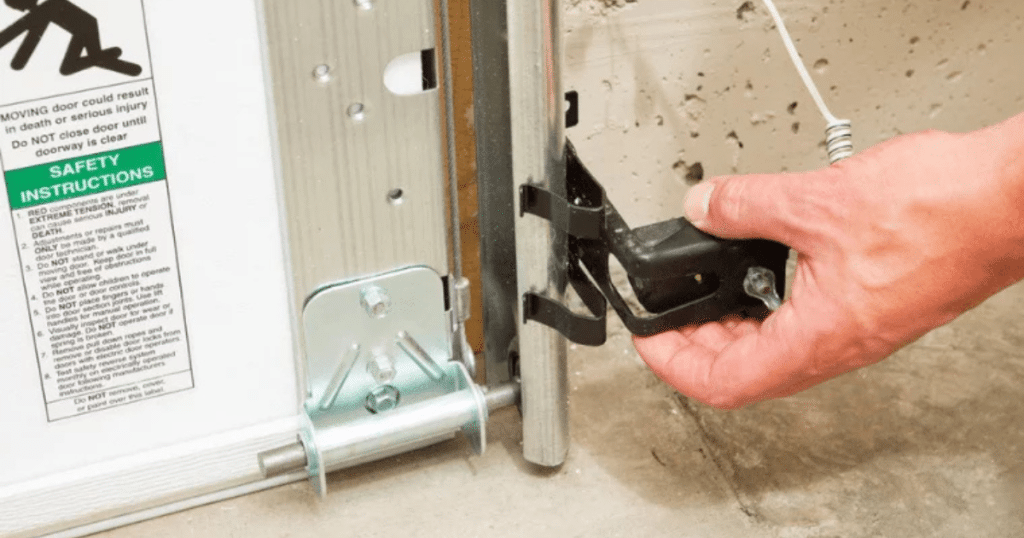
These sensors detect obstacles under the door and reverse its motion to prevent injury or damage.
Modern building codes require safety sensors, which are essential for families with children or pets. If your door doesn’t reverse when something blocks its path, contact Grand River Garage Door for an inspection.
The Importance of Garage Door Weather Seals
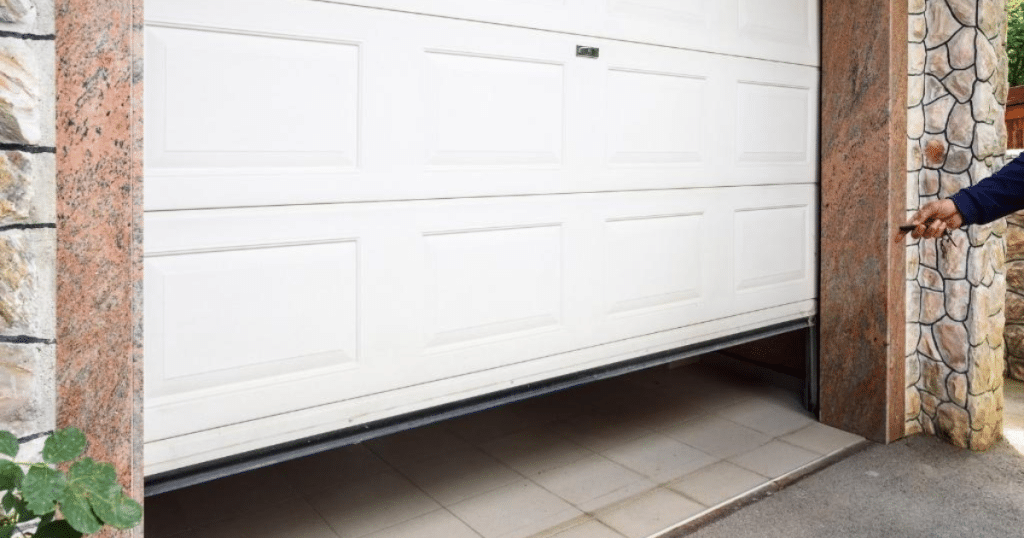
Weather seals block out drafts, moisture, and pests, helping to insulate your garage and protect stored items.
Bottom seals run along the base of the door, while side and top seals fill in the surrounding gaps. Damaged or missing seals reduce energy efficiency and allow water intrusion.
Grand River Garage Door offers professional weather sealing to ensure your garage stays dry, clean, and protected year-round.
Remote Controls, Keypads, and Smart Access
Today’s garage door access systems offer more than just basic functionality, they provide secure, flexible, and user-friendly control tailored to modern living. Traditional remote controls and wall-mounted keypads remain standard, giving homeowners simple, reliable ways to open and close their garage doors. However, smart garage door openers take convenience a step further. These systems allow you to operate your door from a smartphone, set schedules, receive activity alerts, and even use voice assistants like Alexa or Google Home for hands-free access. Whether you’re at home or away, smart access adds peace of mind. Contact Grand River Garage Door for a seamless upgrade to learn more about installing a modern opener that fits your needs and lifestyle.
When to Repair vs Replace Garage Door Parts
Routine wear and tear is expected in any garage door system, but knowing when to repair versus replace can save time, money, and hassle. Addressing minor issues early often prevents major system failures down the line.
Common signs that your garage door parts may need attention include:
- Loud grinding or squealing noises during operation
- Jerky, uneven, or delayed door movement
- Visible rust, corrosion, or frayed cables
- Sluggish or inconsistent response from remotes, wall buttons, or safety sensors
- Unusual vibrations or shaking when the door opens or closes
If you notice any of these warning signs, don’t wait for them to worsen. Regular inspections help identify problems early, keeping your system efficient and safe. Grand River Garage Door provides honest, expert assessments and dependable service to help you determine whether a repair or full part replacement is the best path forward.
FAQs: Understanding the Anatomy of Garage Door Systems
What are the garage door parts?
Garage door parts include panels, springs, rollers, cables, tracks, hinges, and the opener system. Each component plays a role in the door’s movement and safety. Proper maintenance of these parts ensures smooth operation, prevents breakdowns, and extends the lifespan of your garage door system.
What are garage door sections?
Garage door sections are the horizontal panels that make up the full height of the door. Hinges typically join these sections, allowing the door to bend as it opens along a curved track. Most residential garage doors feature three to five interlocking sections.
What is a garage door mechanism called?
The garage door mechanism is called the garage door system or operating system. It includes components like the torsion or extension springs, tracks, rollers, cables, and opener motor. This mechanism works together to lift, lower, and secure the door during operation.
What is the part called that opens the garage door?
The part that opens the garage door is called the garage door opener. This motorized device, usually mounted to the ceiling, activates the lifting mechanism with the help of a drive system, such as a belt, chain, or screw drive, to raise and lower the door automatically.
What is the bottom part of a garage door called?
The bottom part of a garage door is called the bottom section or bottom panel. It typically contains a weather seal to block moisture, dirt, and pests. This section is crucial for insulation and protection and often endures the most wear and tear over time.
Conclusion: Know Your System, Protect Your Investment
Understanding the anatomy of garage door systems is essential for protecting your home and ensuring everyday convenience. Every part contributes to overall safety and performance, from springs and rollers to sensors and tracks. Staying informed about how these components work empowers homeowners to spot early warning signs and take action before minor issues become costly problems.
Grand River Garage Door is your trusted local expert when something feels off or breaks down. Their skilled team can diagnose and repair issues quickly, while helping you understand the complete anatomy of your garage door system. Whether it’s a tune-up, emergency fix, or total upgrade, they keep your garage running smoothly and your home secure.
End Note
Grand River Garage Door is your trusted local partner for all things garage doors, from high-quality garage door openers to precision repair services. Explore our About Us page to learn more about our commitment to excellence and community service. Serving Central Michigan, we bring decades of experience to homes across the region with a focus on s, from high-quality garage door openers to precision repair services. Explore our About Us page to learn more about our commitment to excellence and community service. Serving Central Michigan, we bring decades of experience to homes across the region, focusing on safety, reliability, and customer satisfaction.Browse our blog for expert tips or discover premium brands like Amarr, C.H.I., and Clopay to upgrade your current system. Every home deserves a garage door that performs flawlessly; we’re here to help. Contact us anytime for quick support or questions, or follow us on Facebook for updates. Grand River Garage Door is here when you need us, where quality meets convenience.
Grand River Garage Door
4760 Simpson Rd, Owosso Township, MI 48867, United States
+15173259005